
Smart Block Faceplate
0:000:00
At Nutanix, we're dedicated to tackling the toughest enterprise challenges through innovative solutions. Our mission is to simplify IT infrastructure, making it easy for organizations to seamlessly manage their digital ecosystems across private, public, and hybrid cloud environments.
We believe that even the smallest improvements can have a profound impact on user experience. That's why we developed the Smart Bezel project – a direct response to the real-world pain points faced by data center administrators. By addressing these pain points, we're committed to delivering a more efficient and streamlined experience for our users.
A Truly Creative Solution
As the team lead and primary inventor, I spotted an opportunity to revolutionize the hardware installation experience by applying design thinking to a problem that often gets overlooked. Instead of just adding another feature, I wanted to reimagine the entire process from the ground up.
To make it happen, I had to bring together user experience, hardware design, and software engineering. It wasn't just about technical skills – I needed to understand the user's perspective, think strategically, and inspire a diverse team to buy into a vision that seemed almost impossible at first.
A Day in the Life of a Data Center Administrator
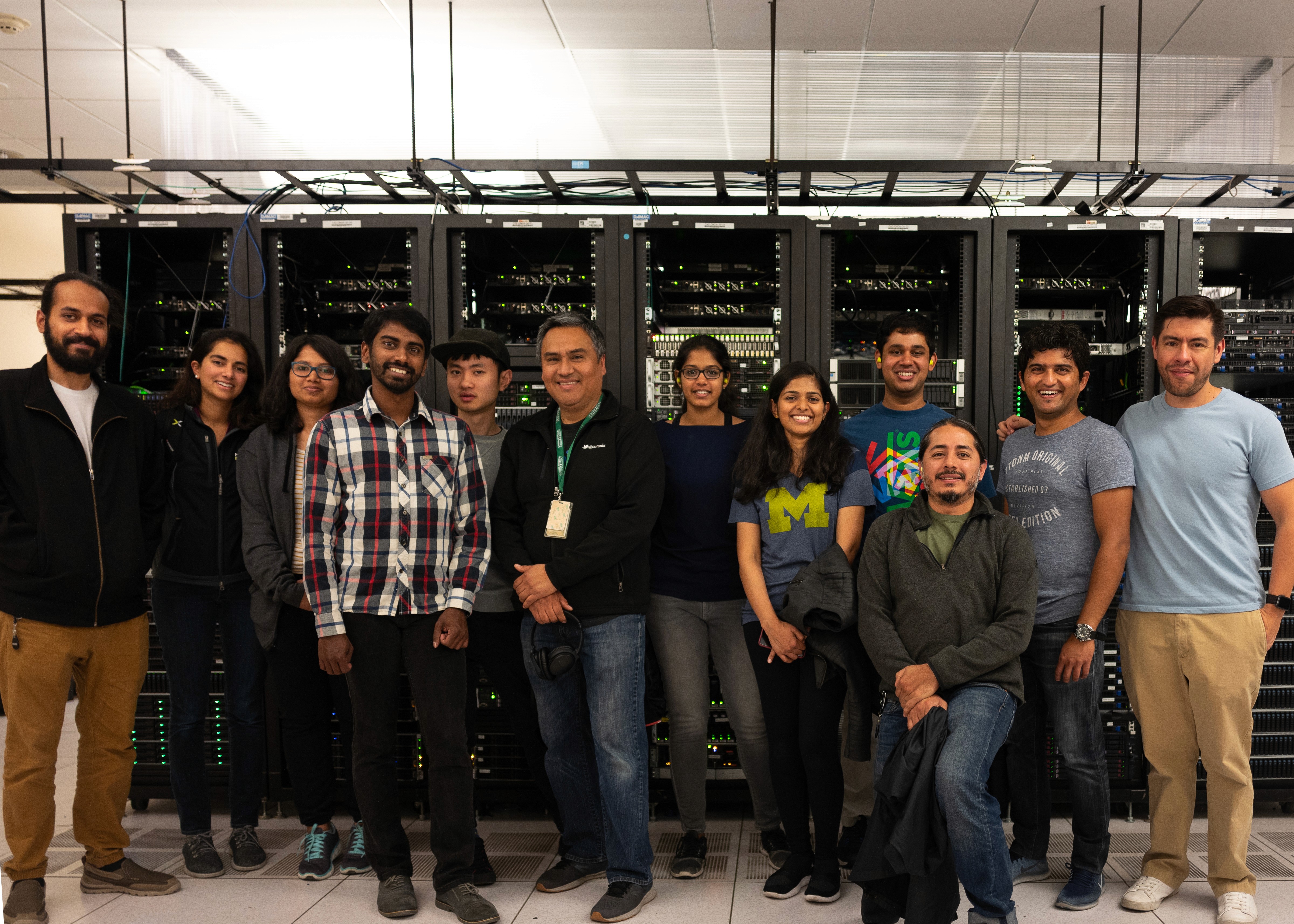
With already a clear context of the issues data center administrators like Victor (pictured above) as part of our visits. I saw way to reduce some of the work complexity.
Their workflow was a labyrinth of:
Multiple disconnected interfaces
Manual data entry across different systems
High risk of human error
Time-consuming hardware tracking
Each server installation became a potential point of failure, not because of technical limitations, but because of inherent process inefficiencies.
Smart Bezel
The Smart Bezel turned a passive server faceplate into an active registration and mapping interface for data center administrators.
The concept paired an intelligent node faceplate with a mobile companion app. Instead of manually recording node details, administrators could scan each server using NFC, RFID, QR, barcode, or similar short-range identifiers. The app would capture node data such as identification, status, and configuration details, then pass that information into the administrator system.
The idea beyond simple scanning. I conceptualize it as a guided rack-mapping workflow where an admin scans nodes in a defined order—top-to-bottom, bottom-to-top, left-to-right, or right-to-left. The mobile device could use scan order and motion data, including accelerometer input, to determine each node’s relative position in the rack. If a scan happened out of sequence, the system could alert the admin and prompt corrective action.
Key capabilities explored included:
One-tap node registration through NFC or similar identifiers
Guided rack scanning to reduce manual tracking errors
Out-of-order scan detection
Automatic rack-location mapping
Node health, status, and configuration visibility
Handoff of rack data into administrator systems
Potential corrective actions for maintenance, failure, or upgrade states
This shifted the bezel from a branded hardware surface into a bridge between physical infrastructure and software operations.
The faceplate

The physical faceplate transformed from a static piece of hardware into an intelligent communication platform:
255-color LED status indicator
Embedded NFC technology for seamless pairing
Premium design that signaled technological sophistication
Instant visual feedback for system events
A Strategic Vision
What began as a hackathon project quickly demonstrated its strategic potential. By addressing a fundamental pain point in hardware management, we weren't just creating a product—we were proposing a new paradigm of infrastructure interaction.
Recognition and Impact
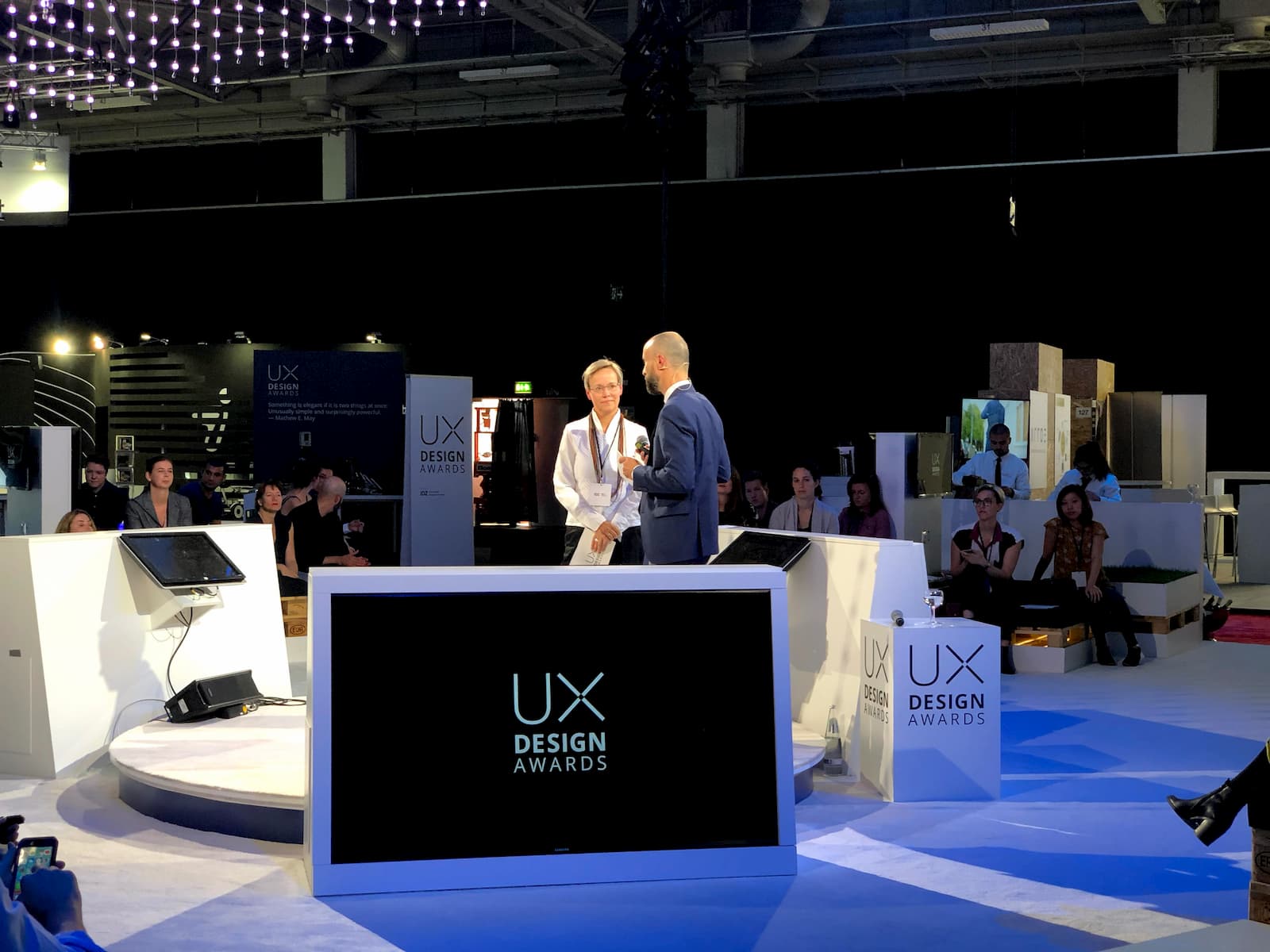
The project's significance was quickly recognized as it:
Won "Most Creative" at the company hackathon
Nominated for the prestigious UX Design Awards at IFA Consumer Electronics in Berlin (2018), in the product category against the design teams at Bosch and Samsung.
Awarded design patents.
Represented a potential new revenue stream and differentiation strategy for Nutanix.
Journey of Innovation
What I learned from leading this project is that true innovation isn't about piling on features, but about deeply understanding human experiences and crafting solutions that are so seamless, they almost disappear.
By questioning the status quo and bringing together diverse perspectives from designers, engineers, and administrators, we didn't just tweak a process – we revolutionized the possibilities of enterprise hardware management. Our collaborative approach empowered us to create something truly remarkable, and the results speak for themselves.
Conclusion
As technology continues to evolve, projects like the Smart Bezel remind us that the most significant innovations often come from the most unexpected places—by listening, observing, and daring to challenge the conventional.